
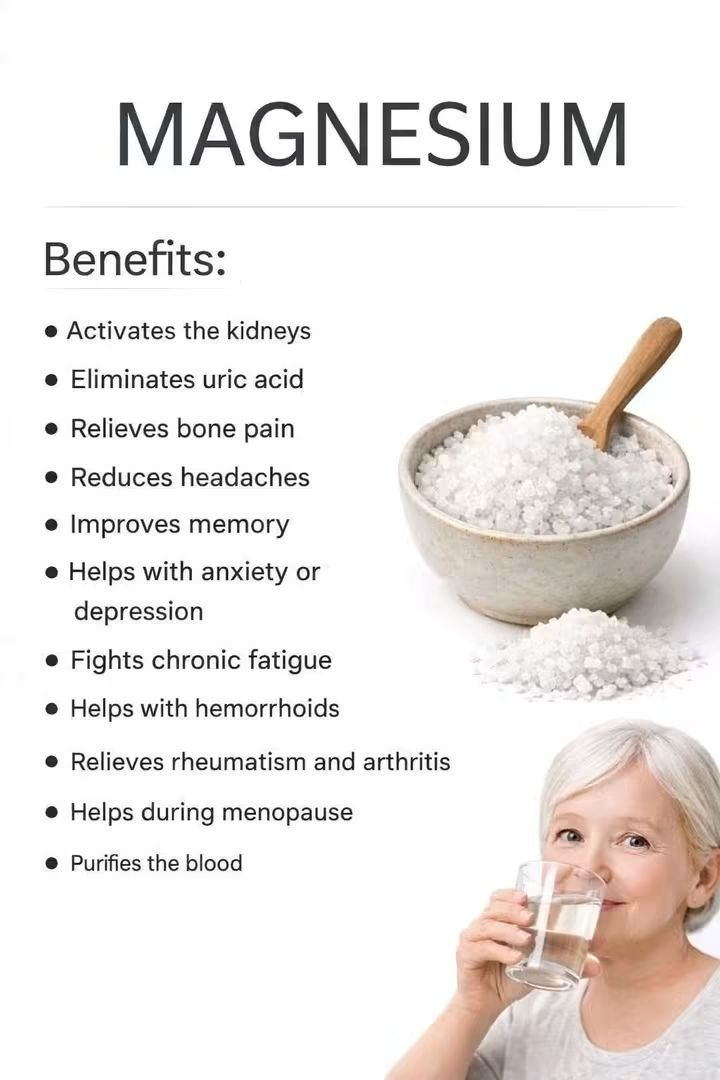
Why Chinese Doctors Recommend Their Patients Take Magnesium
Magnesium is essential for human health. Despite its importance, many people around the world are unknowingly deficient in this vital mineral. Chinese doctors have increasingly been recommending magnesium supplementation to their patients due to its numerous health benefits. Understanding why magnesium is crucial can help you make informed decisions about your health. In this article, we will explore the benefits of magnesium, who may need supplementation, and how to incorporate it into your diet.
The Importance of Magnesium
Magnesium is a critical mineral that plays a role in over 300 enzymatic reactions in the body. It helps in:
– Energy Production: Magnesium is essential for energy metabolism. It aids in converting food into energy by helping enzymes break down carbohydrates and fats.
– Muscle Function: This mineral is vital for muscle contraction and relaxation. A proper magnesium level can help prevent cramps and spasms.
– Bone Health: Magnesium works with calcium and vitamin D to maintain strong bones. Insufficient magnesium can lead to bone density loss.
– Stress Reduction: Magnesium is known to regulate stress response in the body. It helps control cortisol levels and may improve overall mood.
– Heart Health: Adequate magnesium levels are associated with a lower risk of cardiovascular diseases. It helps regulate heart rhythm and blood pressure.
Common Signs of Magnesium Deficiency
Chinese doctors often observe certain symptoms in patients that may indicate magnesium deficiency, including:
– Fatigue and weakness
– Muscle cramps or spasms
– Anxiety and irritability
– Nausea or loss of appetite
– Irregular heartbeats
It is essential to be aware of these signs and consult a healthcare provider if you suspect you are lacking magnesium.
Who Needs Magnesium Supplementation?
While everyone can benefit from adequate magnesium intake, certain groups may require supplementation:
– Athletes: Individuals who engage in regular physical activity may deplete magnesium levels more rapidly through sweat and muscle use.
– Elderly: Older adults may have decreased magnesium absorption and can benefit from increased intake to maintain bone health and cognitive function.
– Individuals with Specific Health Conditions: People with gastrointestinal diseases, diabetes, or those on certain medications may have higher magnesium needs.
– Pregnant and Nursing Women: During pregnancy and lactation, magnesium plays a crucial role in the development of the fetus and may help reduce pregnancy complications.
Natural Sources of Magnesium
Instead of relying solely on supplements, incorporating magnesium-rich foods into your diet is a natural way to boost your intake. Here are some excellent dietary sources of magnesium:
– Leafy Greens: Spinach and Swiss chard are nutritious sources that can easily be added to salads and smoothies.
– Nuts and Seeds: Almonds, cashews, pumpkin seeds, and sunflower seeds are great snack options that are high in magnesium.
– Whole Grains: Brown rice, quinoa, and oats are not only healthy but also provide significant magnesium content.
– Legumes: Beans and lentils are affordable sources that offer fiber alongside magnesium.
– Fatty Fish: Salmon and mackerel not only offer omega-3 fatty acids but also contribute to your magnesium intake.
– Dark Chocolate: A delicious treat, dark chocolate (70% or higher cocoa content) contains magnesium and antioxidants.
The Role of Magnesium in Traditional Chinese Medicine (TCM)
In Traditional Chinese Medicine (TCM), the balance of minerals and nutrients is often linked to the body’s overall wellness. Magnesium is considered beneficial for promoting calmness and alleviating symptoms of anxiety. Chinese doctors might suggest magnesium for stress management, as it is thought to help dampen excessive Yang energy.
Furthermore, TCM emphasizes the importance of the kidney function, which is closely linked to the preservation of minerals, including magnesium. By ensuring adequate magnesium levels, individuals may support kidney health, which is a cornerstone of good overall health in TCM philosophies.
How to Take Magnesium Supplements
Before starting any supplement, it is crucial to consult with a healthcare professional, especially if you are already on medication or have underlying health conditions. Here are some common forms of magnesium supplements:
– Magnesium Citrate: Highly bioavailable and easily absorbed, this form is often recommended for improving digestive health.
– Magnesium Glycinate: Known for its calming effects, this form is ideal for those looking to reduce anxiety and improve sleep quality.
– Magnesium Oxide: A common form used for alleviating constipation, though it is less bioavailable than citrate and glycinate.
– Magnesium Chloride: Often used in topical applications and can be beneficial for muscle relaxation.
Potential Side Effects of Magnesium
While magnesium supplementation is generally safe, excessive intake can lead to adverse effects such as diarrhea, nausea, and abdominal cramping. It is essential to adhere to recommended doses and consult with a healthcare provider to determine the optimal level based on your individual needs.
Conclusion
Magnesium plays a crucial role in maintaining overall health, and its supplementation is often recommended by Chinese doctors for its extensive benefits for muscle function, bone health, and stress management. If you suspect you may be deficient in magnesium, consider incorporating more magnesium-rich foods into your diet or discuss with a healthcare professional the possibility of supplementation. By taking proactive steps to ensure adequate magnesium levels, you can significantly enhance your wellbeing and support your body’s natural functions.
As part of our ongoing commitment to health and wellness, be sure to share your experience in the comments. Write “OK” in the comments, and you will receive the recipe in the first comment.