
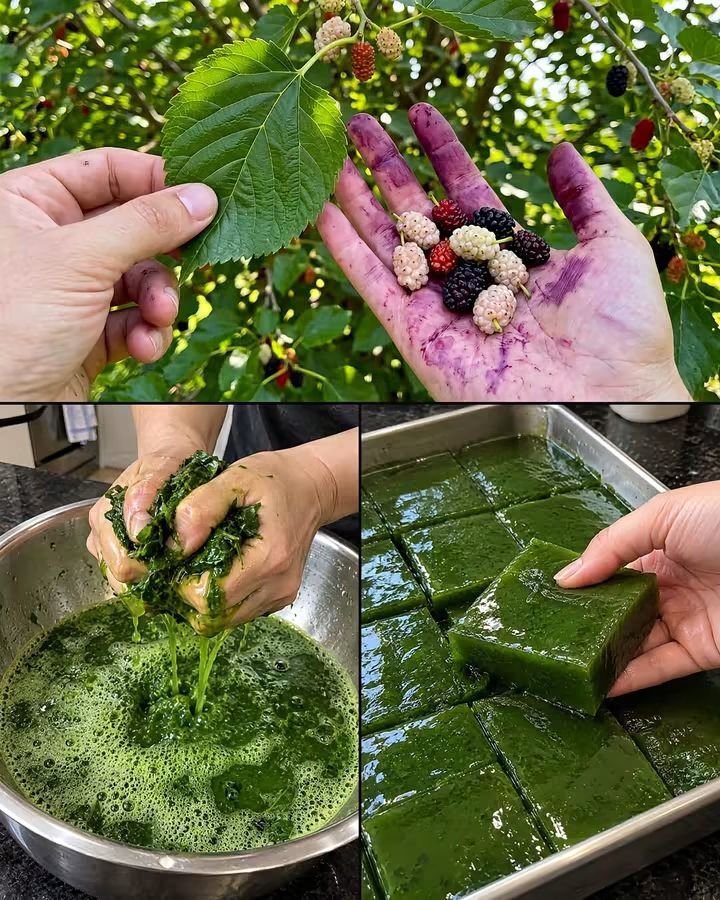
Everybody Loves Mulberries, but Most People Have No Idea How Important Mulberry Leaves Are
Mulberries are often loved for their sweet and juicy berries that can be enjoyed fresh, dried, or as part of delectable recipes. However, while most people indulge in these small fruits, they often overlook the benefits of mulberry leaves. These leaves are not only essential to the life cycle of the mulberry tree but also hold significant nutritional and health properties that can enhance your well-being. In this article, we will explore the importance of mulberry leaves, their nutritional value, potential health benefits, and some easy ways to incorporate them into your diet.
Understanding Mulberries and Their Leaves
Mulberry trees are native to various regions worldwide and are known for their delicious fruits. The leaves of the mulberry tree are large, green, and glossy, playing a critical role in the tree’s ecosystem. While the berries can be enjoyed fresh or made into jams, the leaves have their own special place in both culinary and medicinal uses.
Nutritional Value of Mulberry Leaves
Mulberry leaves are highly nutritious, containing a variety of vitamins and minerals. A single serving of fresh mulberry leaves can provide:
1. Vitamin A: Important for eye health and immune function.
2. Vitamin C: A potent antioxidant that helps combat free radicals and supports skin health.
3. Calcium: Essential for building strong bones and teeth.
4. Iron: Crucial for producing red blood cells and preventing anemia.
5. Fiber: Aids digestion and helps maintain a healthy weight.
Additionally, mulberry leaves are rich in flavonoids, which are compounds known for their antioxidant properties. This combination of nutrients makes mulberry leaves a valuable addition to a well-balanced diet.
Health Benefits of Mulberry Leaves
While the nutritional profile of mulberry leaves is impressive, their health benefits extend even further. Here are some notable advantages backed by research:
1. Blood Sugar Regulation
Mulberry leaves have demonstrated potential in regulating blood sugar levels. They contain compounds such as 1-deoxynojirimycin (DNJ), which inhibits the absorption of glucose in the intestines. This can be particularly beneficial for individuals with diabetes or those looking to maintain stable blood sugar levels. Adding a mulberry leaf extract to meals may help manage post-meal blood sugar spikes.
2. Heart Health
The presence of antioxidants in mulberry leaves can contribute to heart health. By reducing oxidative stress, these antioxidants can protect the cardiovascular system against damage from free radicals. This may lower the risk of heart disease and promote overall cardiovascular wellness.
3. Anti-Inflammatory Properties
Chronic inflammation is linked to various diseases. Mulberry leaves possess anti-inflammatory properties that can help reduce inflammation in the body. Incorporating these leaves into your diet may assist in managing inflammatory conditions and supporting overall health.
4. Immune System Support
The high levels of vitamins, particularly vitamin C, found in mulberry leaves can strengthen the immune system. A robust immune system is essential for combating infections and diseases, making mulberry leaves an excellent addition to healthful eating.
Culinary Uses of Mulberry Leaves
Despite their nutritious profile, mulberry leaves are often underutilized in the culinary world. Here are some creative ways to incorporate them into your meals:
1. Mulberry Leaf Tea
One of the simplest ways to enjoy mulberry leaves is by brewing them into tea. To prepare mulberry leaf tea, follow these steps:
– Gather fresh mulberry leaves or use dried ones.
– Rinse the leaves to remove any dirt or insects.
– Boil water and steep the leaves for about 5-10 minutes.
– Strain and enjoy the tea, which can be sweetened with honey or lemon if desired.
2. Salads and Wraps
Finely chop fresh mulberry leaves and add them to salads for an added crunch and nutrition boost. You can also use them as wraps by placing your favorite fillings, such as grilled chicken, vegetables, or tofu, inside the leaves.
3. Smoothies
Blend mulberry leaves into your morning smoothie for a nutrient-rich drink. Combine them with fruits such as bananas, berries, and spinach for a delicious and healthy breakfast.
4. Soups and Stews
Add mulberry leaves to soups and stews for extra flavor and nutrition. They work well in vegetable broth or chicken soup, offering depth and enhancing the overall flavor.
Conclusion
While mulberries are a beloved fruit, the leaves of the mulberry tree deserve just as much recognition for their remarkable health benefits and culinary versatility. With their rich nutritional profile and potential to aid in blood sugar regulation, boost heart health, and provide anti-inflammatory effects, mulberry leaves are a powerful addition to a healthy diet.
Don’t let these green leaves go unnoticed! Incorporate mulberry leaves into your daily meals, brew a refreshing tea, or enhance your salads with their unique flavor. As you explore the health benefits and culinary uses of mulberry leaves, you’ll discover a whole new world of nutrition that complements the delicious berries we all know and love.
Don’t forget to check out the recipe in the first comment for a tasty way to enjoy mulberry leaves in your meal prep!