
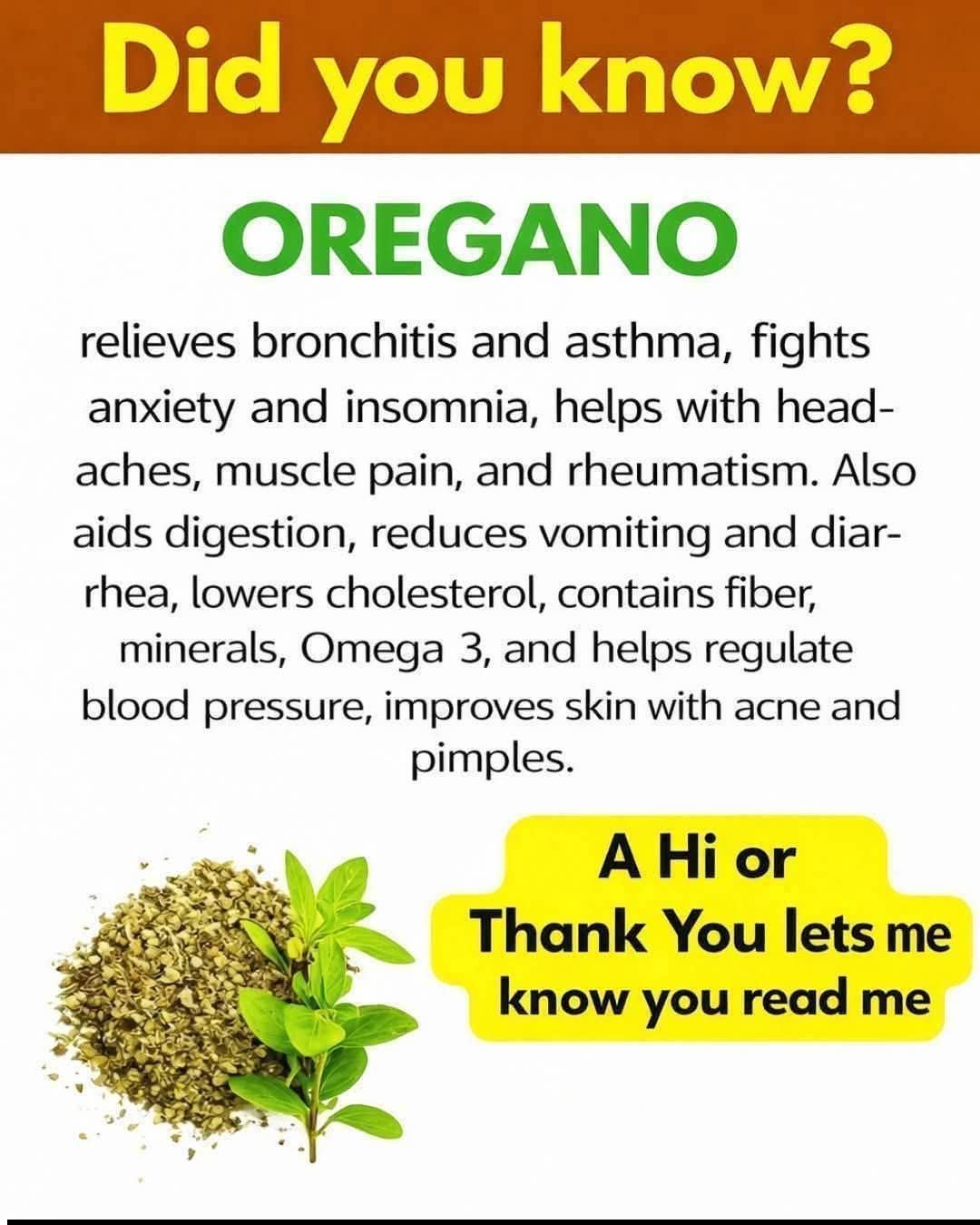
Did You Know? ..See More
In this fast-paced world filled with information at our fingertips, it’s easy to overlook fascinating facts and intriguing insights. This article invites you to explore various astonishing “Did you know?” facts that can captivate your attention and enhance your knowledge. Additionally, we will discuss their relevance in modern life, and how these interesting tidbits can be beneficial in various contexts. Let’s dive into this engaging journey of knowledge!
The Science of Curiosity
Curiosity is a powerful tool in human development and learning. It drives us to seek new experiences and expand our understanding of the world around us. Did you know that curiosity can actually improve your brain’s ability to retain information? Studies have shown that when we encounter something new and intriguing, our brains release dopamine, which enhances our memory and retention. This process not only increases our knowledge base but also fosters creativity and critical thinking.
Practical Implications of Curiosity
Fostering curiosity can lead to improved workplace productivity and innovation. Companies that encourage their employees to be curious often see a rise in creative problem-solving skills. By inviting questions and exploration, you can benefit not only personally but also professionally. So, how can you cultivate curiosity in your life? Here are some strategies:
1. Ask Questions: Make it a habit to ask questions about the things you encounter daily. This not only improves your understanding but opens doors to new interests.
2. Explore New Topics: Dedicate time to learning about a subject you’ve always wanted to explore. Online courses, podcasts, and books are great places to start.
3. Engage with Others: Discussing topics with friends or colleagues can expose you to different viewpoints and increase your knowledge.
Did You Know? Historical Facts
History is full of extraordinary facts that can enhance our understanding of culture, society, and human behavior. Here are a few compelling historical insights:
The Shortest War in History
Did you know that the shortest war in recorded history lasted only 38 to 45 minutes? The Anglo-Zanzibar War, fought between the United Kingdom and the Sultanate of Zanzibar on August 27, 1896, resulted in a swift victory for British forces. Understanding such extraordinary events can provide context for global politics and historical tensions that persist today.
The Origins of Words
Another fascinating aspect of history relates to language. The word “quarantine” originates from the Italian phrase “quaranta giorni,” meaning “forty days.” This practice began during the Black Death, where ships arriving in Venice were isolated for 40 days to prevent the spread of the plague. Exploring etymology not only enhances your vocabulary but also gives insight into cultural shifts and societal norms.
Nature’s Wonders
Mother Nature is full of surprises, and some astonishing facts about natural phenomena can widen your understanding of the world.
The Immense Power of a Single Lightning Strike
Did you know that a single lightning strike can contain enough energy to toast roughly 100,000 slices of bread? This shows the sheer power of nature and the potential energy present in our environment. Understanding such facts can motivate individuals toward energy conservation and better respect for natural resources.
The Ocean’s Depths
Covering approximately 71% of the Earth’s surface, oceans are crucial to our planet’s ecosystem. Did you know that over 80% of the ocean is unexplored and unmapped? The mysteries of the deep sea could hold invaluable resources, and discovering new species might provide groundbreaking medical advancements. Advocating for ocean conservation can lead to benefits not only for the environment but for scientific discoveries.
Health and Wellness Insights
Health is one of the most essential aspects of our lives. Here are some intriguing health-related facts that might inspire you to adopt healthier habits.
The Benefits of Laughter
Did you know that laughter can boost your immune system? Laughter triggers the release of endorphins, which are the body’s natural feel-good chemicals. It can relieve stress, lower blood pressure, and even provide relief from physical pain.
The Importance of Hydration
Did you know that staying hydrated can improve cognitive function? Dehydration can cause significant cognitive decline, affecting focus, memory, and energy levels. Ensuring adequate water intake can enhance productivity at work and school, making it a crucial aspect of your well-being.
The Impact of Technology
Technology continues to reshape our lives rapidly. Here are some astonishing technological facts that underline its prevalence and importance.
The Speed of Internet Data
Did you know that the fastest internet connection reached a staggering speed of 1 terabit per second? Achieving this record in 2020 showcases how technology is advancing and provides significant implications for data transfer, communications, and research.
The Future of AI
Artificial intelligence (AI) is becoming increasingly integrated into everyday life. Did you know that by 2025, AI could contribute up to $15.7 trillion to the global economy? This rapid advancement can transform industries including healthcare, finance, and transportation, making it essential for professionals in these sectors to stay updated with technological trends.
Conclusion
In summary, curiosity and the quest for knowledge can enrich your life profoundly, shedding light on fascinating facts that enhance our understanding of history, nature, health, and technology. By embracing this spirit of inquiry, you can also drive yourself toward personal and professional growth.
So next time you come across a captivating fact—remember, there is almost always more to discover. Keep asking questions, exploring new topics, and sharing insights with those around you. Who knows what exciting discoveries await? Did you know that your curiosity is your greatest asset? Keep nurturing it!