
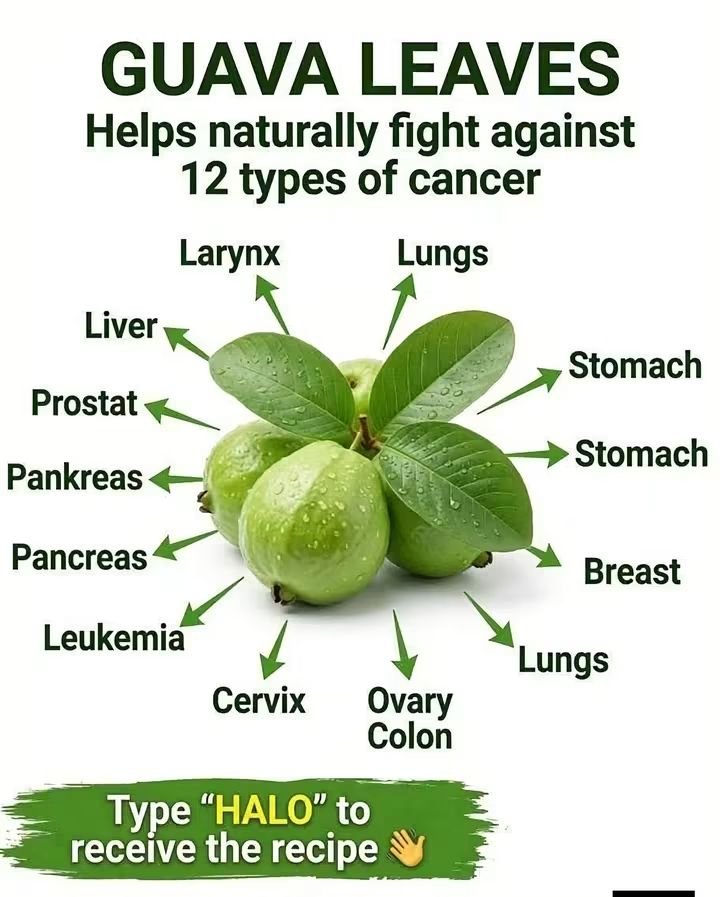
Guava Leaves Are the Most Unusual in the World
Guava leaves are a powerhouse of nutrition and medicinal properties that are often overlooked in culinary conversations. These leaves, sourced from the guava tree (Psidium guajava), a tropical fruit tree, are not only uncommonly beneficial but also boast a myriad of uses that make them stand out from other botanical offerings. This article explores the unique aspects of guava leaves, their health benefits, culinary uses, and more, affirming why they deserve recognition as the most unusual leaves in the world.
Understanding Guava Leaves
Guava leaves are dark green, ovate in shape, and grow in pairs along the stem of the guava tree. While the fruit itself is widely enjoyed in various cuisines, the leaves have gained attention for their medicinal advantages. Rich in antioxidants, polyphenols, and flavonoids, guava leaves are noted for their anti-inflammatory and antimicrobial properties, making them a remarkable addition to any health-conscious individual’s routine.
Health Benefits of Guava Leaves
1. Antioxidant Properties
Guava leaves are filled with antioxidants, which help combat oxidative stress in the body. The presence of compounds such as quercetin and vitamin C strengthens the immune system and may reduce the risk of chronic diseases, including heart disease and cancer.
2. Digestive Health
For individuals struggling with digestive issues, guava leaves can be a natural remedy. They contain tannins that can help alleviate diarrhea and improve overall gut health. Drinking guava leaf tea is an effective way to harness these benefits, promoting better digestion and gut flora balance.
3. Weight Loss Aid
Guava leaves have garnered attention in the weight loss community for their ability to inhibit the conversion of carbohydrates into sugars. This process can result in reduced appetite and decreased body fat accumulation. Incorporating guava leaf extract into a balanced diet may aid in achieving healthier body weight.
4. Diabetes Management
Research has indicated that guava leaves can help lower blood sugar levels. The leaf extracts assist in improving insulin sensitivity, making them a potential natural treatment for people with type 2 diabetes. Regular consumption of guava leaf tea may contribute to better blood sugar control and overall metabolic health.
5. Skin Care Benefits
Guava leaves are often incorporated into skincare products for their anti-inflammatory and antibacterial properties. They can be used to treat acne, skin irritations, and wounds. A natural guava leaf poultice or extract can reduce redness and inflammation, promoting healthier skin.
Culinary Uses of Guava Leaves
While guava fruit is commonly used in jams, jellies, and desserts, the leaves can also be featured in various culinary applications. Here are some ways to incorporate guava leaves into your culinary practices:
1. Guava Leaf Tea
One of the most popular ways to enjoy guava leaves is through tea. Dried guava leaves can be steeped in hot water, creating a refreshing drink that can be enjoyed hot or cold. This tea not only tastes great but also delivers a plethora of health benefits.
2. Flavoring Agent in Cooking
Guava leaves can be used to infuse flavor into various dishes. Whole leaves can be added to soups, stews, and rice dishes, imparting a unique herbal flavor. The leaves can act similarly to bay leaves, brightening up your culinary creations.
3. Traditional Recipes
In many cultures, guava leaves are incorporated into traditional remedies and cooking practices. In parts of Central America and Asia, crushed guava leaves are used in marinades, enhancing the flavor of meats and vegetables.
How to Use Guava Leaves
Preparing Guava Leaf Tea
To make guava leaf tea, follow these simple steps:
1. Gather a handful of fresh or dried guava leaves.
2. Rinse the leaves under running water.
3. Place the leaves in a pot of boiling water (approximately 2 cups).
4. Reduce heat and let simmer for about 10-15 minutes.
5. Strain the leaves and add honey or lemon to taste, if desired.
6. Enjoy your nourishing guava leaf tea!
Making a Guava Leaf Poultice
For skin applications, making a guava leaf poultice involves:
1. Boiling a few guava leaves in water until soft.
2. Finely mashing the leaves to create a paste.
3. Applying the paste to the affected area of the skin, covering it with a clean cloth.
4. Leaving it on for about 30 minutes before rinsing off.
Potential Side Effects and Considerations
While guava leaves are generally safe to consume, some individuals may experience allergic reactions. It’s always recommended to consult a healthcare provider before adding a new supplement or herbal remedy to your routine, especially for pregnant or breastfeeding women.
Conclusion
Guava leaves are indeed among the most unusual leaves in the world, offering unparalleled nutritional benefits and versatile culinary applications. From their rich history in herbal medicine to contemporary wellness trends, these leaves hold a significant place in both traditional and modern practices. Incorporating guava leaves into your diet can promote better health while diversifying your culinary tastes. Next time you encounter guava leaves, remember their unique attributes and consider adding them to your health and wellness regimen for a flavor-packed nutritional boost.