
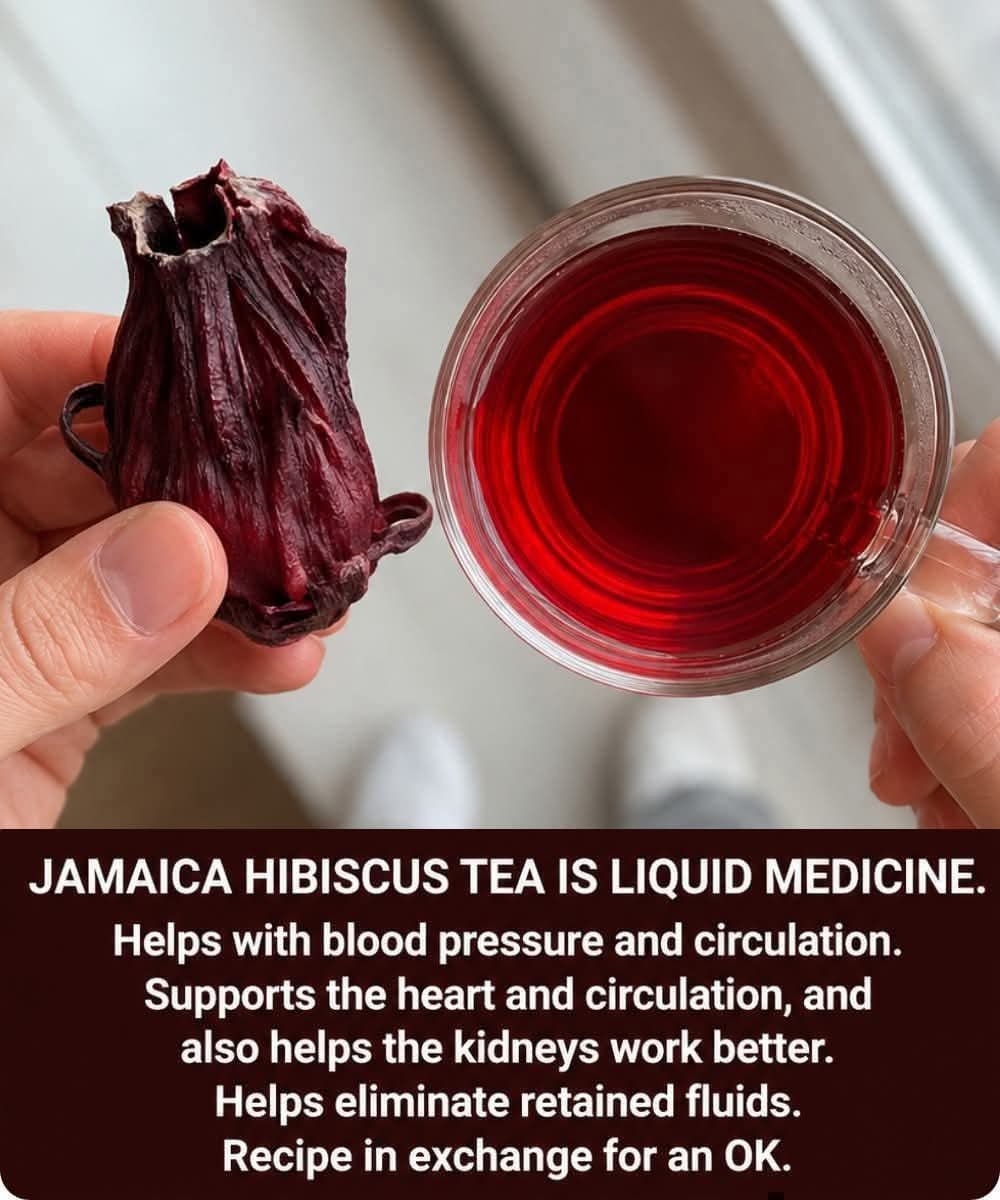
Hibiscus Tea Benefits: Can This Ruby-Red Drink Support Blood Pressure, Circulation, and Kidney Health?
Hibiscus tea has become one of the most popular herbal beverages in the world, and for good reason. Its vibrant ruby color, tart and cranberry-like flavor, and long history of use in traditional medicine have made it a favorite among people looking for natural ways to support their wellness. Many health-conscious readers now search for hibiscus tea benefits, hibiscus tea for blood pressure, and natural remedies for circulation. This article explores what the research suggests, how to prepare hibiscus tea at home, and what to keep in mind before adding it to your daily routine.
What Is Hibiscus Tea?
Hibiscus tea is an herbal infusion made from the dried calyces, the fleshy petal-like sepals, of the Hibiscus sabdariffa plant, often called roselle. It is naturally caffeine-free, which makes it an appealing alternative to black tea, green tea, or coffee. The tea is rich in plant compounds such as anthocyanins, which give it its deep red color, and flavonoids, along with vitamin C and various organic acids.
Because of its antioxidant content, hibiscus has been used for generations in parts of Africa, Asia, Latin America, and the Caribbean, where it is enjoyed both as a refreshing beverage and as a traditional remedy. Today it is widely sold as loose-leaf tea, tea bags, and ready-to-drink blends.
Hibiscus Tea and Blood Pressure
One of the most widely discussed hibiscus tea benefits is its potential effect on blood pressure. Several small clinical studies have examined whether regular consumption of hibiscus tea can help people with mild hypertension. Some of these studies reported modest reductions in systolic and diastolic blood pressure after several weeks of daily consumption. Researchers believe that compounds in hibiscus may help relax blood vessels and support healthy fluid balance, though the exact mechanisms are still being studied.
It is important to be realistic. Hibiscus tea is not a replacement for prescribed medication, and the research, while promising, is limited in size and duration. Anyone with high blood pressure should talk with a healthcare professional before using hibiscus tea as a regular part of their treatment plan. This is especially important for people taking blood pressure medications, since hibiscus may have additive effects.
Supporting Healthy Circulation
Good circulation depends on healthy blood vessels, balanced blood pressure, and a well-functioning heart. The antioxidants in hibiscus tea may help protect blood vessel walls from oxidative stress, a process linked to vascular aging and cardiovascular problems. By helping to support flexible, healthy arteries, hibiscus may contribute to better overall blood flow.
Many people pair hibiscus tea with other heart-healthy habits such as regular physical activity, a diet rich in vegetables and whole grains, adequate hydration, and stress management. When combined with these lifestyle choices, a daily cup of hibiscus tea can be a pleasant addition to a broader circulation-supporting routine.
Heart Health and Hibiscus
The heart benefits from the same qualities that support blood vessels. The flavonoids and anthocyanins in hibiscus are associated with reduced inflammation and improved lipid profiles in some studies. Heart health is a major search interest for readers exploring natural wellness, and hibiscus tea is frequently mentioned in discussions about heart-friendly beverages.
Again, it is wise to view hibiscus as a supportive drink rather than a cure. Cardiovascular disease is complex, and preventing it requires a combination of healthy eating, exercise, regular checkups, and appropriate medical care.
Kidney Function and Fluid Balance
Another commonly cited benefit is the potential role of hibiscus in supporting the kidneys and promoting the elimination of retained fluids. Traditional use and some preliminary studies suggest that hibiscus may have mild diuretic properties, meaning it may increase urine output. This can help the body release excess water and sodium, which may ease swelling in some people.
However, people with kidney disease, those taking diuretics, or anyone with a history of kidney stones or low blood pressure should be especially careful. Excessive diuretic effects can lead to dehydration or electrolyte imbalances. Professional medical guidance is strongly recommended before making hibiscus a daily habit, particularly for those with existing kidney conditions.
How to Make Hibiscus Tea at Home
Making hibiscus tea is simple and inexpensive. Here is a basic recipe you can adjust to your taste:
Ingredients:
– 2 tablespoons dried hibiscus flowers (roselle) or 2 hibiscus tea bags
– 4 cups filtered water
– Honey, lemon juice, or fresh mint to taste (optional)
Instructions:
1. Bring the water to a boil in a saucepan.
2. Remove from heat and add the dried hibiscus flowers or tea bags.
3. Cover and steep for 5 to 10 minutes. Steeping longer will produce a stronger, more tart flavor.
4. Strain the tea into a pitcher or cups.
5. Sweeten with honey or add lemon, then serve warm or chill over ice.
For a refreshing summer drink, allow the tea to cool completely, refrigerate it, and serve over ice with sliced citrus or fresh mint. Homemade hibiscus tea can be stored in the refrigerator for up to three to four days.
Tips for Choosing Quality Hibiscus Tea
When shopping for hibiscus tea, look for products that list only dried hibiscus flowers as the ingredient, with no artificial colors or flavors. Choosing organic or responsibly sourced hibiscus can help ensure purity. Store dried hibiscus in an airtight container away from light and moisture to preserve its color and fl